
With the 2025-26 school year having just come to a close, the Denair Unified School District Board of Trustees on Thursday heard from district principals about improvements in math and reading test scores from the fall semester to the spring semester.
Principals Crystal Sousa, Ed.D. (Denair Elementary Charter Academy), Jamie Pecot (Denair Charter Academy), Gabriela Sarmiento (Denair Middle School), and Breanne Aguiar (Denair High School) took turns presenting the board with data gleaned from the iReady assessment tests.
iReady is an online assessment and skills practice platform used districtwide. Students take a diagnostic test three times per year, and teachers use the information to determine what interventions will help students improve their progress toward grade level standard (or extend their learning if they are already at/above standard). This cycle of assessment and practice provides targeted support and allows teachers to regularly monitor student progress.
DECA test results showed that students who were two or more grade levels behind in reading decreased from 45 to 26 percent, while the number of students scoring at or above proficient in reading increased from 16 to 33 percent. On the math side, the number of students two or more grade levels behind in math decreased from 48 to 23 percent, with the number of students scoring at or above proficient increased from 5 to 21 percent.
According to Sousa, a large group of students – 55 percent in math and 42 percent in reading – are just below grade level and within reach of proficiency, which could result in a significant shifting of the numbers moving forward.
Data showed a similar picture at DCA, where the number of students who scored two or more grade levels behind in reading went from 52 to 40 percent by the end of the school year, while students who scored mid or above grade level in math went from 7 to 18 percent.
Figures for DMS students show the percentage of students that scored at or above grade level in reading increased considerably from 20 to 34 percent, while the percentage
that scored at or above grade level in math increased significantly from 11 to 24 percent.
At Denair High, among freshmen and sophomores, there was a 12 percent reduction in students scoring three or more grade levels below in math, and a 12 percent improvement in students meeting early on or above/at grade level progress. That demonstrates the most substantial improvement for DHS over the past three years of implementation, according to Aguiar. On the reading side, 6 percent of students met progress goals (early on or above/at grade level) – a reduction in the number of students scoring one or more grade levels below.
Overall, every group of students made progress at all schools. Principals attributed the growth to a better understanding about how to use the platform and the results of the diagnostic, and staff creativity in rewarding students’ effort and growth.
The trustees also heard details on the proposed 2026-27 DUSD budget, as well as the Local Control and Accountability Plan. The district and charter LCAPs provide a roadmap for goals, actions for improving student outcomes, and spending related to those actions. The LCAPs and budget will be back before the board for approval at the special June 11 meeting.
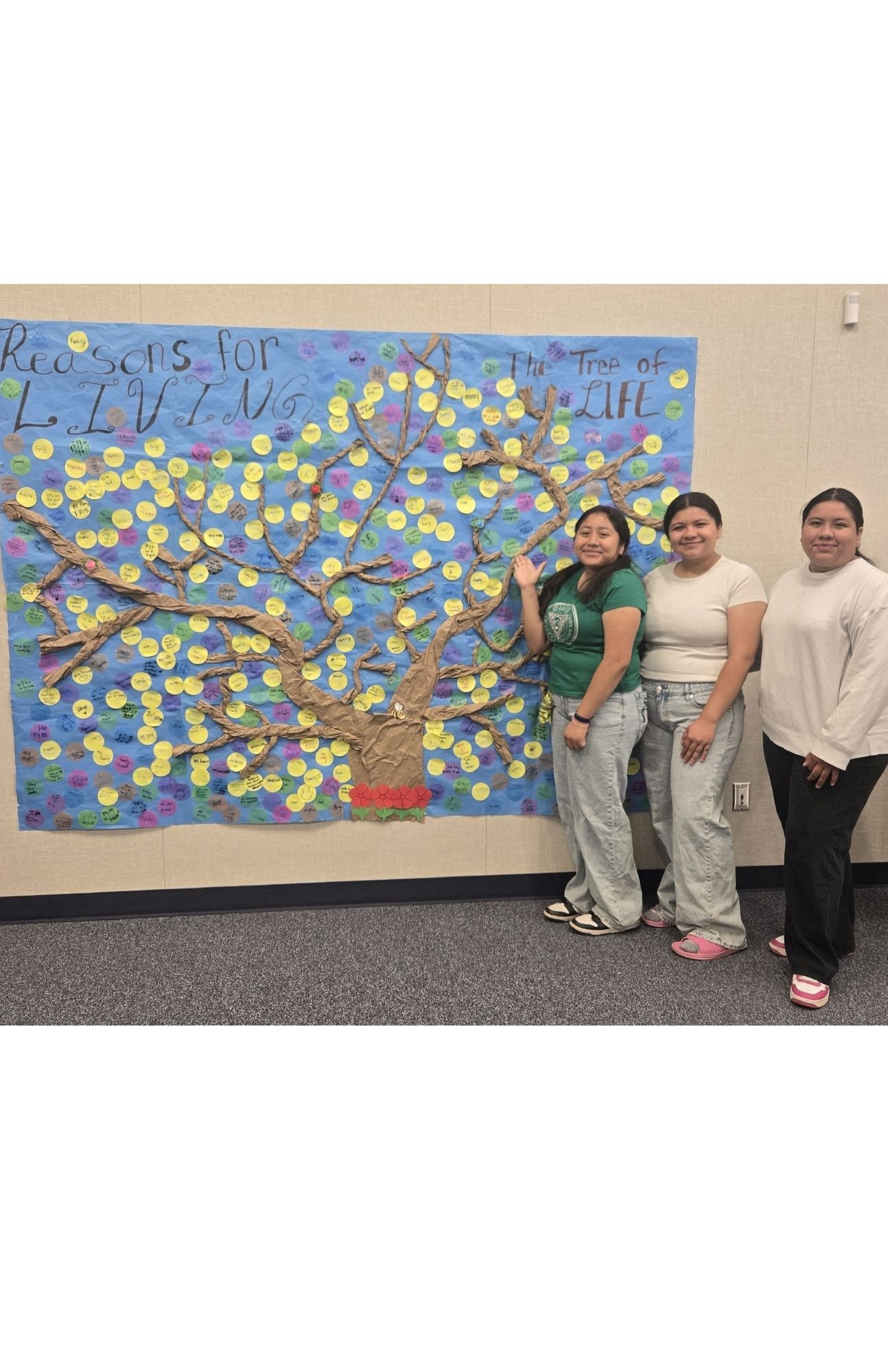
The Board heard an annual report on mental health services in the district. Clinician Lina Maria Mateus shared that the mental health team, which includes school counselors, a student assistance specialist, and Mateus, served 813 students this school year. About 270 of those students were referred because they were disengaged from school or for academic concerns. Another 200 were referred due to family/home issues. Students who experience suicidal ideation and self-harm remain a concern, and the team is required to respond collaboratively with parents and administrators. Two highlighted successes were the annual Reasons for Living ice cream social, where 462 students placed their reasons for living on a tree mural, and recognition of the 14 field trips that provided students with wellness leadership, educational, and enrichment opportunities.
